Rabbit with Daisy Flower: A Craft Fair Review
As an embroidery designer who has spent countless weekends behind a booth table, I know that not every design translates into sales. Some look beautiful on a screen but fall flat in person. Others are technically impressive but too complex for quick production. When I first loaded the Rabbit with Daisy Flower machine embroidery design onto my tester, I was looking for that specific spark—the kind of whimsical charm that stops a browser in their tracks and turns them into a buyer.
This design falls squarely into the Woodland Animals category, yet it avoids the overly rustic or dark tones often associated with that genre. Instead, it offers a fresh, playful aesthetic. For craft fair sellers, Etsy sellers, and boutique makers, this distinction is vital. It is not just about stitching an animal; it is about capturing a mood. In this review, I will break down how this design performs as a commercial embroidery product and why it might be the perfect addition to your next handmade product lineup.
First Impressions and Visual Appeal
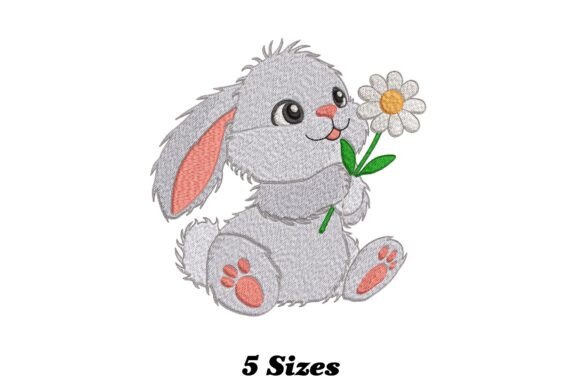
The immediate impression of the Rabbit with Daisy Flower is one of softness and approachability. It does not scream for attention with aggressive colors or massive scale. Rather, it invites a closer look. The combination of a gentle rabbit motif with a classic daisy creates a balance between cute and elegant. This makes it versatile enough for various demographics, from young parents looking for nursery decor to adults seeking a touch of farmhouse charm in their kitchen.
For a craft fair product, visual clarity is everything. Customers scan tables quickly. This design works because it is instantly recognizable. There is no ambiguity about what is being depicted. The clean lines and balanced composition ensure that even from a few feet away, the silhouette reads clearly. This is crucial for tote bag design and apron embroidery, where the item itself may be moving or hanging at an angle.
Product Versatility and Market Fit
One of the strongest assets of this digital embroidery file is its adaptability. I tested the concept across several potential finished products to see where it truly shines.
- Tote Bags and Market Bags: This is perhaps the strongest contender. A centered rabbit on a canvas tote creates an instant bestseller. It appeals to the eco-conscious shopper who wants something unique rather than mass-produced.
- Tea Towel Embroidery: Kitchen linens are staple small shop products. The whimsical nature of the design pairs beautifully with linen or cotton blends. It adds value without overwhelming the fabric's texture.
- Apron Embroidery: Whether for children or adults, an apron featuring this motif suggests warmth and home cooking. It makes for an excellent giftable handmade item.
- Embroidered Patches: If you offer patches, this design scales well. However, you must check the stitch density to ensure it remains durable when cut out and applied to denim or jackets.
- Pillow Covers: For home decor, placing this design on a neutral pillow cover creates a focal point that feels premium and curated.
For Etsy sellers, this versatility means you can create multiple listings from a single design asset. You can use a printable mockup to show the design on different items, saving time on physical sampling while still showcasing potential.
Production Practicality for Batch Selling
When preparing for a weekend craft fair, efficiency is key. You cannot spend hours hooping and trimming every single item. The Rabbit with Daisy Flower appears to be designed with production in mind. It likely avoids excessive jump stitches and overly dense fill areas that can cause puckering.
However, practical embroidery designer notes are essential here. Before committing to a large batch, you must test the design on scrap fabric. Check the thread contrast. If you are using white thread on a light fabric, the details may get lost. Conversely, high-contrast colors can make the design pop but may highlight any minor tension issues in your machine.
Stitch density is another critical factor. If the design is too dense, it can make stiff fabrics like canvas feel rigid. If it is too open, it may not cover the fabric adequately, especially on textured towels. Always review the spacing and confirm hoop size compatibility. Most standard home machines can handle this type of motif, but verifying the dimensions against your available hoops prevents mid-production headaches.
Careful-Use Notes and Technical Considerations
While this design is user-friendly, there are pitfalls to avoid. Do not assume it will work perfectly on every surface without adjustment.
- Fabric Texture: Thick fabric or highly textured materials like waffle-weave towels can distort small details. Ensure the daisy petals remain distinct and do not merge into the rabbit's fur.
- Curved Surfaces: Stitching on caps requires careful stabilization. The curved surface can distort the image if not hooped correctly with a strong stabilizer.
- Dark Fabric: If stitching on dark garments, consider using a lighter underlay or adjusting thread colors to maintain visibility. Dark backgrounds can swallow subtle details.
- Scaling Down: Designs that look clear at four inches may lose clarity at two inches. Test smaller sizes to ensure the rabbit’s features do not become a blob of thread.
Always use the right stabilizer. For stretchy fabrics like t-shirts, a cut-away stabilizer is often necessary to prevent distortion after washing. For woven fabrics like tea towels, a tear-away may suffice, but test for residue.
Boosting Brand Consistency and Buyer Engagement
Incorporating the Rabbit with Daisy Flower into your lineup can strengthen your brand identity if you specialize in whimsical or nature-inspired goods. It signals to customers that your handmade product line is cohesive and thoughtful. Consistency in style helps build a loyal customer base who know what to expect from your small shop product offerings.
Furthermore, this design aids in booth display strength. Items with clear, charming imagery draw the eye. They invite touch and conversation. When a customer picks up a tote bag with this embroidery, they are more likely to engage with you about the process, the materials, and the story behind the brand. This engagement is often the difference between a browser and a buyer.
Before selling finished products, always confirm commercial licensing. While many digital embroidery files come with commercial rights, it is your responsibility to verify this. Check the terms provided with the design assets to ensure you are compliant. Never assume license terms are universal.
Final Verdict for Creative Entrepreneurs
The Rabbit with Daisy Flower is a strong candidate for any embroidery business owner looking to expand their craft fair inventory. It balances aesthetic appeal with production practicality. It is not overly complex, yet it offers enough detail to look professional and high-quality. By testing on various fabrics, optimizing thread colors, and presenting it on the right products like tote bags and tea towels, you can maximize its sales potential.
Remember, the success of a machine embroidery design lies not just in the file itself, but in how you present it. Create real mockups, compare fabric colors, and let the whimsical charm of this woodland creature speak to your customers. With careful attention to stitch density and stabilizer choice, this design can become a reliable staple in your commercial embroidery repertoire.