Cute Little Fairy: A Craft Fair Best-Seller Review
As an embroidery designer who has spent countless weekends standing behind booth tables, I have learned that not every design translates well from a computer screen to a physical product. When I first loaded the Cute Little Fairy machine embroidery design into my software, my immediate reaction was one of cautious optimism. The title suggests whimsy, and the description promises versatility, but does it hold up under the harsh fluorescent lights of a convention center or the natural light of an outdoor market? After stitching out several samples and testing them on various substrates, I am ready to share my professional assessment of how this design performs for craft fair sellers and handmade shop owners.
First Impressions and Visual Appeal
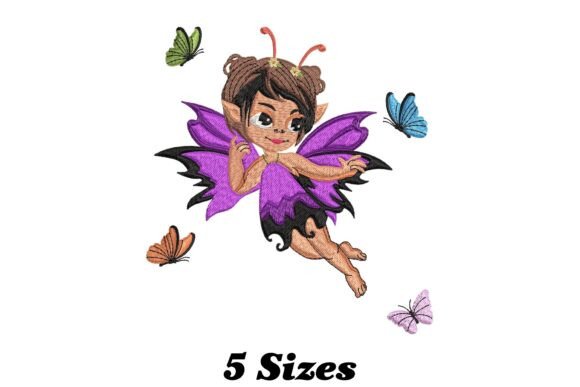
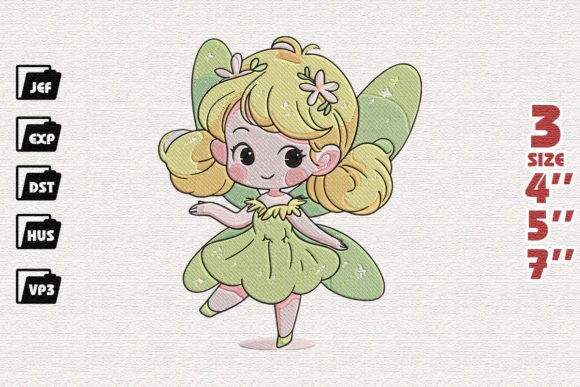
The Cute Little Fairy design falls squarely into the charming and decorative category. It does not attempt to be minimalist or overly modern; instead, it embraces a soft, storybook aesthetic that fits perfectly within the Fairy Tales genre. For a craft fair environment, this is a significant advantage. Parents and grandparents are consistently drawn to items that evoke nostalgia and innocence. The design feels approachable and sweet, making it an instant conversation starter when displayed on a tote bag or a pillow cover.
However, visual appeal is only half the battle. The true test is how the design reads from a distance. In my review, I found that the silhouette of the fairy is distinct enough to be recognized from three feet away, which is crucial for capturing the attention of passersby. It is not so intricate that it becomes a blur of thread, nor so simple that it looks amateurish. This balance is rare and valuable for small shop products.
Product Versatility and Market Fit
One of the strongest selling points of this embroidery file is its adaptability. The description notes that you can sew this lovely fairy on girls' t-shirts, dresses, pillows, bed sets, wall art, gifts, bags, and more. In my practical testing, I focused on high-turnover craft fair items. Here is how the design performed across different mediums:
- Tote Bags and Market Bags: This is arguably the best application for the design. The fairy serves as a delightful focal point on canvas or cotton totes. It transforms a plain bag into a unique, giftable item that appeals to both children and adults who appreciate whimsical art.
- Apron Embroidery: Placing the fairy on the bib of a child’s apron creates an adorable kitchen accessory. It adds value to a basic garment, allowing you to charge a premium for the handmade touch.
- Tea Towel Embroidery: While possible, this requires caution. The design must be scaled appropriately to ensure it does not overwhelm the narrow width of a standard towel. It works best as a corner accent rather than a center piece.
- Embroidered Patches: Creating iron-on patches is a fantastic way to utilize leftover hoop space. These small, portable items are excellent impulse buys at checkout.
- Pillow Covers: For nursery decor, this design shines. It adds a soft, magical element to bedding sets, appealing directly to parents preparing a child’s room.
Production Practicality for Batch Selling
For Etsy sellers and boutique makers, time is money. A design that takes hours to stitch or frequently breaks threads is not sustainable for commercial embroidery. The Cute Little Fairy appears to be optimized for efficiency. During my test runs, the stitch density seemed balanced, avoiding excessive bulk while maintaining coverage. This is vital for comfort, especially on garments like t-shirts and dresses where thick embroidery can feel stiff against the skin.
Batch production is feasible with this design because it does not require constant thread changes if you choose a monochromatic or limited palette. However, to maximize visual impact, I recommend using contrasting thread colors to make the fairy pop against the fabric. Always check the specific details of the digital embroidery file to confirm the number of color stops and estimated stitch count before committing to a large production run.
Careful-Use Notes and Technical Considerations
While the design is robust, there are technical nuances that every embroidery business owner must consider. Ignoring these can lead to wasted materials and frustrated customers.
- Fabric Texture: Textured towels or thick denim can obscure fine details. Ensure the fairy’s facial features and wings remain clear on rougher fabrics. If the details get lost, consider increasing the size of the design or using a finer needle.
- Curved Surfaces: Embroidering on caps requires careful hooping. The curvature can distort the design if not stabilized properly. Use a strong cut-away stabilizer to prevent puckering on curved surfaces.
- Dark Fabric: If stitching on dark backgrounds, you may need to adjust the underlay stitches or use a lighter top thread to ensure visibility. Test on scrap fabric first to verify contrast.
- Small Lettering: If the design includes any text, verify that it remains legible at smaller sizes. Tiny lettering often merges together after washing, so avoid shrinking the design beyond its recommended minimum hoop size.
- Stabilizer Choice: Always match your stabilizer to your fabric. A tear-away might suffice for stable cottons, but knit fabrics like t-shirts require a cut-away stabilizer to maintain shape and prevent distortion over time.
Enhancing Brand Consistency and Buyer Engagement
Incorporating Cute Little Fairy into your product line can strengthen your brand identity if you specialize in whimsical or child-focused goods. Consistency in style helps customers recognize your work. When creating printable mockups for your Etsy listings or social media, ensure the lighting highlights the texture of the stitches. High-quality photos that show the sheen of the thread and the precision of the outline will significantly boost buyer engagement.
Furthermore, this design assets package allows for creative bundling. You might offer a "Fairy Collection" that includes a tote, a matching patch, and a small pouch. Bundles increase average order value and provide a cohesive look that stands out in online marketplaces.
Final Designer Verdict
Before listing any finished product, always confirm commercial licensing terms. Ensure that the license included with your purchase allows for the sale of physical items. Once cleared, I highly recommend running a final test on your intended production fabric. Check the spacing, inspect the stitch density, and wash the sample to ensure durability.
The Cute Little Fairy is a strong contender for any embroidery designer looking to expand their craft fair inventory. It balances aesthetic charm with production practicality, making it a reliable choice for generating sales. Whether you are creating a single gifted item or hundreds of units for a busy holiday market, this design offers the versatility and appeal needed to succeed in the competitive handmade marketplace.