Reviewing Floral Butterfly, Botanical Embroidery for Brand Merch
As an embroidery designer who has spent years digitizing and reviewing files for commercial use, I approach every new machine embroidery design with a critical eye. It is not just about whether the image looks pretty on a screen; it is about how that design translates into thread, how it withstands wear and tear, and ultimately, how it serves the brand identity of the small business owner purchasing it. Today, I am taking a close look at Floral Butterfly, Botanical Embroidery, a design categorized under Bugs and Embroidery, to determine its viability for small business merchandise, branded patches, and custom apparel.
First Impressions: Visual Personality and Market Fit
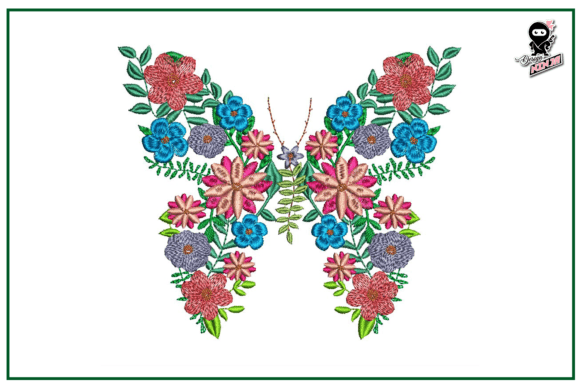
The first thing that strikes me about Floral Butterfly, Botanical Embroidery is its inherent charm. The description notes that it adds a "joyful and charming touch," and visually, this holds true. For boutique owners, florists, bakeries, or creative studios, this aesthetic is gold. It feels handmade yet polished, striking a balance between rustic warmth and professional presentation. Unlike aggressive or overly corporate logos, this design invites engagement. It suggests a brand that cares about details, nature, and softness.
For Etsy sellers and crafters, this visual personality is crucial. In a saturated market, your design assets need to communicate your vibe instantly. This botanical motif does exactly that. It signals elegance and playfulness simultaneously, making it versatile for a wide range of industries from pet brands to local cafes looking to soften their uniform aesthetic.
Real-World Application for Small Business Merch
When I evaluate a digital embroidery file for commercial use, I mentally place it on various products. Here is how Floral Butterfly, Botanical Embroidery performs in real-world scenarios:
- Embroidered Patches: This is perhaps the strongest use case. A well-digitized butterfly and floral combo makes for an excellent iron-on or sew-on patch. Patches are low-risk inventory for small businesses because they can be applied to jackets, bags, or hats after purchase. The organic shapes of the botanical elements allow for clean satin stitch borders, which are essential for a premium-looking patch.
- Apron Embroidery: For bakeries and florists, staff uniforms are walking advertisements. Placing this design on the chest pocket or lower corner of a canvas apron adds a touch of artisanal credibility. It transforms a standard work uniform into a branded statement piece that customers trust.
- Tote Bag Design: Canvas tote bags are a staple for retail shops. The contrast of colorful thread against natural cotton canvas is visually striking. This design works well as a central focal point on a tote, offering enough detail to be interesting without being so dense that it stiffens the fabric excessively.
- Cap Embroidery: Using this on headwear requires caution due to the curved surface. However, if the design is scaled correctly, it can serve as a beautiful side-panel accent or a subtle front-center logo for lifestyle brands. It moves away from the typical block-letter caps, offering a more boutique feel.
Technical Considerations and Stitch Density
While the aesthetic appeal is high, the technical execution is where many designs fail in production. As a designer, I must warn you to check the stitch density of Floral Butterfly, Botanical Embroidery before running a large batch. Botanical designs often feature leaves and petals that can become bulky if the digitizer uses too many underlays or overlapping satin stitches.
If you are planning to use this on lightweight fabrics like silk blouses or thin polyester uniforms, high stitch density can cause puckering. Always test on a scrap piece of your actual fabric. Furthermore, consider the thread colors. The preview images likely show vibrant, multi-colored threads. Ensure that the color transitions are smooth. Poorly planned color stops can lead to excessive thread trimming and loose tails, which look unprofessional on a finished product.
Another critical factor is the hoop size. You must confirm that the design fits within your machine’s maximum hoop dimensions. If the design is large, you may need a multi-hoop setup or a larger frame, which impacts production time. Always check the specific file details provided by the creator, as these vary between formats.
Brand Identity and Customer Trust
Why does the choice of embroidery matter for brand identity? Consistency builds trust. When a customer receives a item with high-quality custom apparel branding, they perceive higher value. Floral Butterfly, Botanical Embroidery contributes to a cohesive visual story. If your brand is about natural ingredients, handmade care, or gentle service, this design reinforces that message physically.
Using such a distinctive motif on customer gifts or event merch creates a memorable unboxing experience. It elevates a simple t-shirt or tote into a keepsake. For handmade product sellers, the presence of intricate embroidery signals effort and quality, justifying a higher price point. It differentiates your brand from competitors who rely solely on printed graphics, which can crack or fade over time.
Where to Use Caution
Despite its versatility, there are scenarios where Floral Butterfly, Botanical Embroidery might not be the best choice. Avoid using it on items that undergo rigorous industrial washing unless you have tested its durability. Delicate floral outlines can snag or fray if the stitch type is not robust.
Additionally, be cautious with very small patch sizes. If the design includes fine details in the butterfly wings or leaf veins, shrinking it too much will result in a muddy appearance where stitches merge. Always create a printable mockup at the actual intended size to verify legibility. Also, consider the fabric texture. Highly textured materials like fleece or terry cloth can obscure fine details. In such cases, a simpler version of the design or a larger scale may be necessary.
Practical Designer Notes for Production
Before you commit to producing hundreds of units with this embroidery file, follow these practical steps:
- Test in Black and White: Run a sample in monochrome thread first. This helps you see the structure and density without the distraction of color. If it looks messy in black, it will look messy in color.
- Check Stabilizer Requirements: Botanical designs often benefit from cut-away stabilizer for long-term durability, especially on stretchy fabrics. Hoop-and-tear might suffice for woven caps, but test both.
- Verify Commercial Licensing: Never assume a file is free for commercial use. Read the license terms carefully. Ensure you have the right to sell items featuring Floral Butterfly, Botanical Embroidery as part of your small business merch.
- Compare with Other Assets: Place the embroidered sample next to your printed labels, packaging, and website graphics. Does the style match? Visual consistency across all touchpoints strengthens brand recognition.
- Client Approval Mockups: If you are digitizing or producing for a client, always provide a realistic mockup. Show them how the design looks on a dark uniform versus a light tote. Manage expectations regarding thread sheen and texture.
In conclusion, Floral Butterfly, Botanical Embroidery is a strong contender for businesses aiming to project a friendly, artisanal, and professional image. Its success lies in proper technical execution and strategic placement. By respecting the limitations of stitch density and fabric choice, you can leverage this design to create high-value, engaging merchandise that resonates with your customers. Always prioritize quality testing, and let the craftsmanship of the embroidery speak for your brand.