My Little Princess: A Designer’s Practical Review
When I first pulled up the My Little Princess file on my screen, I wasn’t looking for flashiness. As a designer who spends hours tweaking nodes and adjusting tension settings, I look for reliability. Does this design hold its shape? Will it survive a wash cycle? Is it versatile enough to justify the hoop time? This machine embroidery design promises a charming update for fabrics, but promises don’t stitch themselves. I loaded the embroidery file into my software to inspect the pathing before even touching the fabric.
First Impressions and Visual Personality
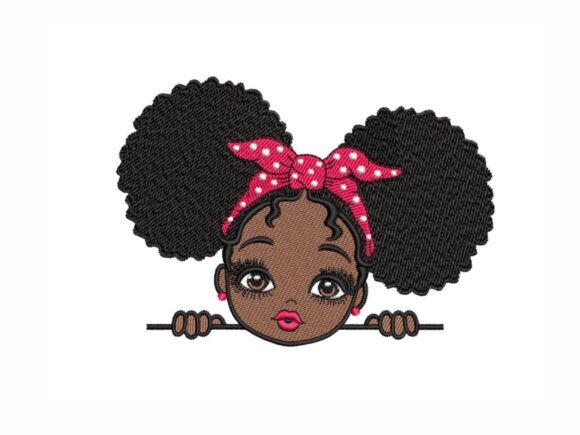
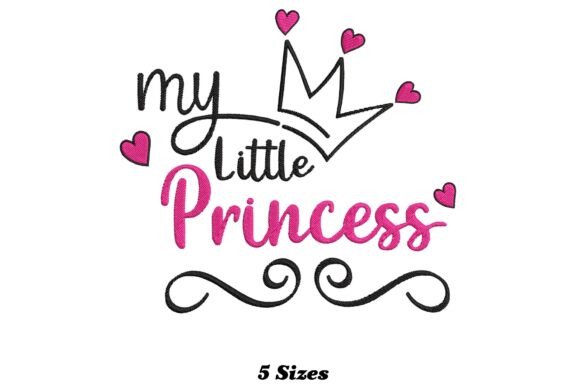
The immediate mood of My Little Princess is playful and whimsical. It doesn’t scream for attention with aggressive outlines; instead, it offers a quirky flair that feels approachable. For those of us creating handmade products, visual personality is half the battle. The layout suggests a balance between detail and open space, which is crucial for maintaining stitching clarity. If a design is too dense, it puckers; if it’s too sparse, it looks unfinished. This design seems to sit comfortably in the middle, making it a strong candidate for various embroidery projects.
I noticed the theme leans toward youthful charm. While the product category lists Boys, the aesthetic is flexible. In modern custom apparel, gender-neutral or playful themes often cross over. However, the specific styling here might appeal more to those looking for soft, narrative-driven motifs rather than bold, graphic statements. It feels like a design that tells a small story, perfect for adding character to plain items.
Real-World Application: The Tote Bag Test
To truly evaluate a design, you have to imagine it on a real product. I envisioned using My Little Princess on a canvas tote bag design. Canvas is forgiving, but it has a distinct fabric texture that can interfere with fine details. I simulated the stitch-out mentally. The design’s lines appeared robust enough to stand out against the weave of the cotton canvas. This is where a fill stitch strategy would shine, providing solid coverage without becoming a stiff cardboard patch.
Beyond tote bags, consider sweatshirt embroidery. Fleece and French terry are thick. If this design relies heavily on tiny satin stitch columns, they might sink into the pile. However, if the design utilizes broader shapes, it will pop beautifully against the soft background. For an Etsy seller or small shop product creator, this versatility is key. You want one digital embroidery file that can serve multiple inventory types without requiring constant adjustment.
Considerations for Delicate Fabrics
While the design is delightful, caution is needed when moving to thinner materials. If you plan to use this for baby embroidery on onesies or lightweight cottons, pay close attention to the stitch density. High-density areas can cause puckering on stretchy knits. I always recommend testing on scrap fabric first. Use a cut-away stabilizer for garments that will be washed frequently, as it provides long-term support that tear-away stabilizers cannot match.
For personalized gift items like kitchen towels or aprons, the durability of the thread matters. Ensure your thread colors have high contrast against the fabric. A pastel design on a white towel might vanish after three washes. On dark fabrics, you may need to adjust the underlay stitches to prevent the background color from peeking through the top stitching.
Commercial Viability and Brand Consistency
For craft business owners, consistency is currency. My Little Princess offers a consistent aesthetic that can help build brand recognition. If your shop specializes in whimsical, storybook-style items, this design fits seamlessly into your design assets library. It doesn’t look generic; it has a specific voice. This helps in creating cohesive printable mockup previews for your online listings. Customers trust shops that look curated, not cluttered.
However, remember that this is categorized under Embroidery for Boys. If your target audience is strictly looking for traditional masculine themes, this might require careful marketing. But if you position it as a fun, quirky addition to a child’s wardrobe regardless of gender, you open up a wider market. Think about holiday embroidery gifts or back-to-school custom apparel. The "quirky flair" mentioned in the description is a selling point for parents who want their kids’ clothes to stand out from mass-produced retail options.
Technical Checks Before You Stitch
Before committing to a full production run, perform these practical checks:
- Hoop Size Compatibility: Confirm the design fits your standard hoops. If it requires a large hoop, calculate if the extra setup time is worth the price point of your finished product.
- Stitch Path Analysis: Look for long jumps or excessive trims. These increase production time and thread waste. A clean path means higher profit margins for your commercial embroidery work.
- Detail Inspection: Zoom in to 400%. Are there tiny islands of stitching that might break off? If so, consider merging them or adding tie-down stitches.
- Color Separation: Test the design in black and white. If the shape loses definition without color, the contrast relies too much on hue rather than form. Good design works in monochrome.
Final Verdict for Makers
My Little Princess is a solid addition to a designer’s toolkit, particularly for those focusing on children’s items, home decor, and casual apparel. It balances charm with structural integrity, provided you respect the fabric limitations. It is not a "set and forget" design for every material, but with the right stabilizer and thread choice, it delivers professional results.
For the hobbyist, it’s a fun project that yields satisfying results on towels and pillows. For the professional designer, it’s a reliable asset that can be scaled across different product lines, from embroidered patches to full-front sweatshirt designs. Just remember to check the specific license terms included with the digital embroidery file. Some designers allow unlimited commercial use, while others restrict the number of physical items you can sell. Knowing this upfront protects your business and ensures you can confidently market your small shop product offerings.
In the end, the value of any applique design or standard stitch file lies in how it makes the customer feel. My Little Princess evokes joy and nostalgia. If that aligns with your brand, it’s worth the hoop time. Stitch smart, test often, and let the quality of your execution speak for itself.