Cute Mushroom Embroidery: A Designer’s Review
As an embroidery designer who spends countless hours digitizing and stitching, I am always on the lookout for designs that balance charm with technical reliability. When I came across Cute Mushroom on Creative Fabrica, it immediately caught my eye. The whimsical nature of forest-themed decor is having a major moment in the handmade market, and this design promises to tap into that trend. However, aesthetic appeal is only half the battle. The real question for any professional crafter or small business owner is whether the file performs well under the needle.
I reviewed this machine embroidery design with a critical eye, imagining how it would translate from a digital preview to a tangible handmade product. Below, I break down my impressions of its visual mood, practical application, and suitability for commercial use.
First Impressions and Visual Appeal
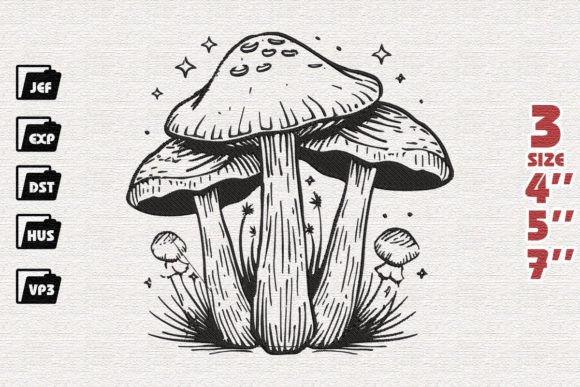
The first thing you notice about Cute Mushroom is its inviting personality. It does not rely on overly complex shading or excessive detail, which is often a blessing in machine embroidery. Instead, it offers a clean, graphic look that reads well from a distance. This simplicity makes it versatile. It fits naturally into the Forest category but feels modern enough for contemporary home decor or playful children’s apparel.
The design suggests a mix of stitch types. While I cannot confirm the exact breakdown without opening the file, designs of this style typically utilize satin stitch for outlines and smooth surfaces, paired with fill stitch areas for the mushroom cap or background elements. This combination usually provides a nice textural contrast that elevates the finished look beyond flat printing. For those selling on Etsy or at craft fairs, this tactile quality is a significant selling point.
Real-World Project Applications
Versatility is key when investing in a digital embroidery file. According to the product description, this design allows you to embroider onto various items, such as pillows, tote bags, jackets, or even framed artwork. In my experience, this range is accurate for well-digitized motifs. Here is how I envision using Cute Mushroom in a real workshop setting:
- Tote Bag Design: The bold shapes would stand out beautifully on canvas totes. Using contrasting thread colors like earthy browns against natural linen or bright reds against denim could create a striking look.
- Sweatshirt Embroidery: Placed on the left chest or as a larger back piece, this motif adds a cozy, cottage-core vibe to custom apparel. It is perfect for seasonal fall collections.
- Nursery Decor: Soft pastels or muted earth tones would make this ideal for baby blankets or pillow covers. It serves as a gentle, nature-inspired accent for a child’s room.
- Embroidered Patch: If the design includes a clean border or running stitch edge, it could be stitched out on felt or twill to create iron-on patches, adding value to your product line.
For commercial embroidery professionals, having a reliable design like this in your library means you can quickly fulfill orders for personalized gifts or boutique merchandise without worrying about extensive editing.
Technical Considerations for Stitching
While the preview looks promising, successful execution depends on understanding the technical constraints. Before committing to a customer order, there are several factors to consider regarding Cute Mushroom.
Hoop Size and Scaling: Always check the specific hoop size requirements listed on the Creative Fabrica product page. If you plan to scale the design up or down, be cautious. Enlarging it too much may reveal gaps in the fill stitch, while shrinking it too much could cause the satin stitches to become dense and prone to puckering. Ensure the smallest details remain clear at your intended size.
Fabric and Stabilizer Choice: The texture of your base material matters. For stretchy fabrics like sweatshirts, a cut-away stabilizer is essential to prevent distortion. For woven materials like tote bags or aprons, a tear-away stabilizer might suffice, but testing is crucial. Dark fabrics require careful planning; if the design has light-colored fills, you may need an underlay or a backing fabric to prevent the garment color from showing through.
Stitch Density: Dense areas can pull on lightweight fabrics. If you are stitching on a delicate kitchen towel or a thin baby blanket, consider using a lighter weight thread or adjusting the density if your software allows. Always inspect the stitch count and density notes provided in the file details.
Enhancing Product Value and Brand Consistency
Using high-quality assets like Cute Mushroom can significantly impact your brand perception. A clean, well-stitched design conveys professionalism. When customers see consistent quality across your finished product lineup, their trust in your shop grows. This design’s charming aesthetic lends itself well to cohesive collections. Imagine pairing it with other forest-themed elements to create a series of matching items—mugs, towels, and apparel—that encourage bundle purchases.
Furthermore, this design is highly photogenic. The distinct shapes and potential for colorful thread choices make it ideal for creating engaging social media content and printable mockup presentations. Good photography starts with a good stitch, and this design offers the visual clarity needed to shine in online listings.
Practical Steps Before You Stitch
To ensure the best results with this embroidery file, follow these practical steps:
- Test on Scrap Fabric: Never stitch a new design directly on your final product. Run a test on similar fabric to check for registration issues or thread breaks.
- Check Thread Color Contrast: Plan your palette in advance. Use a color chart to visualize how the thread colors will interact with your fabric.
- Review File Details: Confirm the available formats (PES, DST, JEF, etc.) match your machine. Verify the license terms on the Creative Fabrica page to ensure you are compliant for selling finished items.
- Inspect Small Details: After the test stitch, look closely at the edges. Are there loose threads? Is the coverage complete? Adjust tension if necessary.
In conclusion, Cute Mushroom appears to be a solid addition to any embroidery designer’s toolkit. Its blend of whimsical charm and practical versatility makes it suitable for a wide range of projects, from custom apparel to home decor. By paying attention to technical details like stabilizer choice and hoop size, you can leverage this design to create high-quality, sellable products that resonate with customers who love nature-inspired handmade goods.